Feeling Alone? The Reality of Parenting an Autistic Child with Level 3 Support Needs.
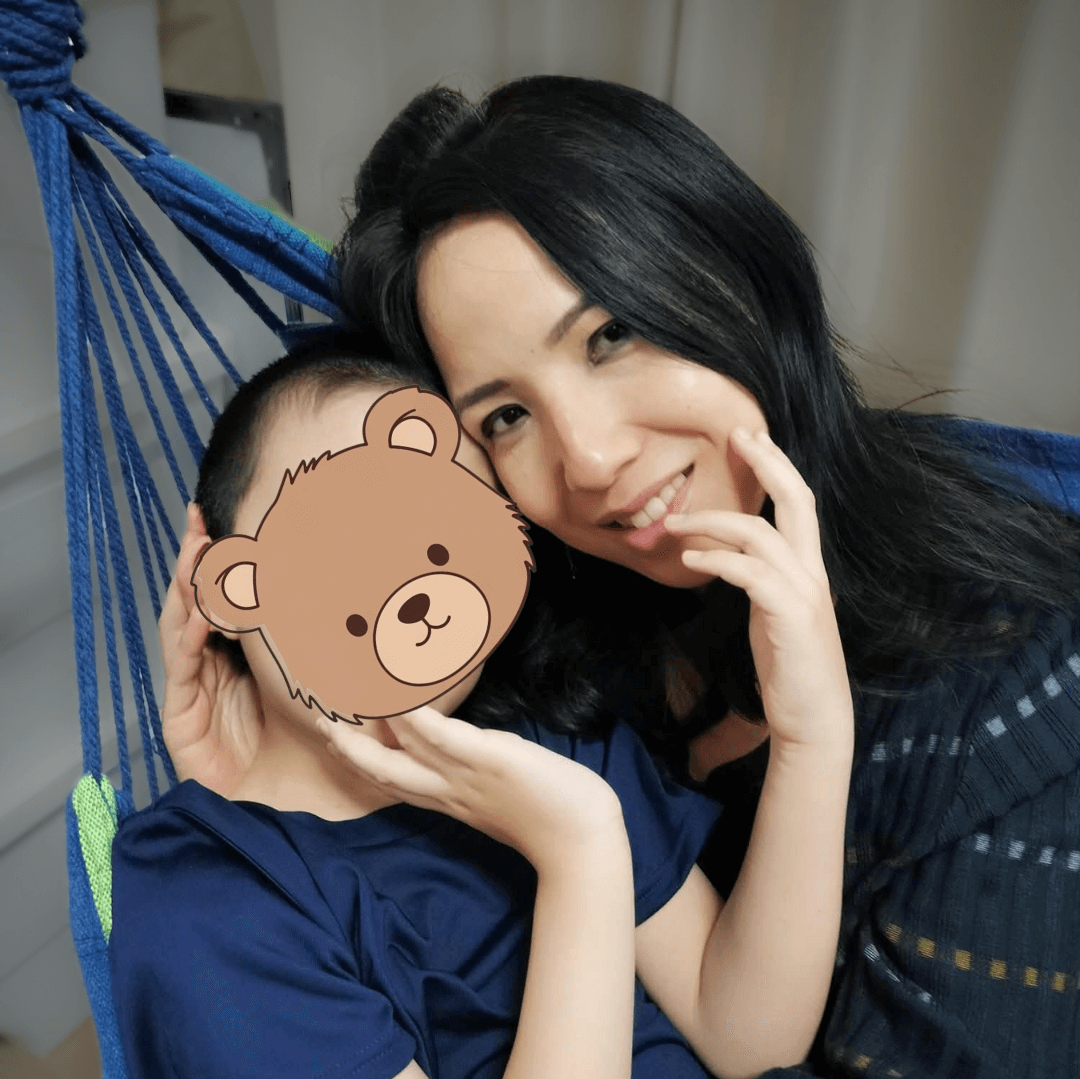
I’m putting this out there because raising a non-speaking autistic child can feel incredibly isolating; but if this connects with even one person, I hope my story makes you feel a little less alone on this road.
Across Asia, I taught language and literacy for more than 18 years. My background also includes a master’s degree in education. Having built a career helping children and adults find their voice, build confidence, and connect through language, I really thought I knew how people learned. I believed I had everything I needed to help people communicate.
When Everything Crumbled
And then my son was diagnosed, and everything I thought I knew just crumbled away. Suddenly, all that training, all my experience, and all those years in the classroom—none of it seemed to matter anymore. Because the strategies I’d used for years weren’t cutting it, I couldn’t reach my own child the way I’d been taught to reach students. While the milestones I expected didn’t come, I felt lost in a way I’d never been before; honestly, no degree or certification could’ve prepared me for raising a non-speaking autistic child.
Becoming a mom didn’t just add to what I knew about learning; it completely reshaped it. The experience humbled me and cracked me wide open, forcing me to start over to unlearn and relearn everything from scratch. Since I don’t have all the answers and I’m not an expert on this, I’m just a person who can relate.
When my son was diagnosed, I felt scared. Worrying about what was next, I felt so much love for him, even as everything became overwhelming. A lot of feelings tangled together. I didn’t know where to put any of it, nor did I know how to process it or who to talk to. Because my family lives in a different country, and people where I am still see having an autistic child as something shameful, I felt truly alone. Since they just don’t talk about it openly, I feel the weight of their judgment.
Learning to Grow Together While Raising a Non-Speaking Autistic Child
Having my husband meant I wasn’t physically alone, but in the beginning, we both felt like we were drowning. When our son was diagnosed, my husband faced his own struggles to accept what that meant for our family, for our future, and for the child he’d imagined. As we grieved different things and processed at different speeds, some days it felt like we were on opposite sides instead of the same team.
Even though we had each other right there, we couldn’t always provide the support the other needed. Because we both felt too much pain, it’s taken years of talking, of patience, and of choosing each other even when it was hard to get to where we are now. Learning to communicate and understand what the other needed took time, but it allowed us to work through our own feelings while still showing up for our son.
Love and Connection on the Hardest Days
I love my child more than anything, but I still felt like I was drowning. There were days when love looked nothing like what I thought it would. Instead of tender moments or sweet bedtime stories, I faced meltdowns. Motherhood didn’t look like the gentle version I’d imagined. It meant forcing myself out of bed when I had nothing left to give and holding myself together when everything in me wanted to break. I spent days covered in urine and poop teaching my child to use the bathroom. I showed up again and again because they needed me, even when I felt unsure of myself.
Some days I felt like I was running on empty, failing at the one thing that mattered most. I’d look at my child and feel this overwhelming love, yet in the same breath feel completely inadequate. I felt like I wasn’t enough, or like they deserved better. Perhaps I should do more, understand more, be more. My work felt messy and exhausting, but I remained determined.
The Weight of Exhaustion When Raising a Non-Speaking Autistic Child
This is the kind of love that keeps going even when you doubt everything about yourself, even when exhaustion blurs your vision, even when you feel like you’re not cutting it. This love didn’t quit, even on the days I wanted to. The exhaustion wasn’t just physical, though there was plenty of that. Between broken sleep, constant vigilance, and always being “on,” my body felt tired—but the fatigue went so much deeper.
Emotional fatigue played a major part too. I spent my days explaining my child to teachers, to family members, and to strangers who stared too long. I spent my time advocating, fighting for what they needed, and trying to make people understand. I never stopped worrying about what I missed, what I should do differently, or what therapy I hadn’t tried yet.
And beneath all of it lived this deep loneliness. Being tired with no one who really got it is a heavy burden. I had no one to call at 2am when I reached my breaking point. This wasn’t normal tired; it was chronic. It lived in my bones. I found no reset button, and I found no real moment to catch my breath before it all started again. I’d go to bed exhausted and wake up exhausted, then the day would start all over.
Feeling Like You’re Not Enough as a Parent
I compared myself to other parents more than I’d like to admit. I’d see them at the park, at school pickup, or on social media, and it all looked so easy for them. Their children listened. They made friends. Those kids didn’t have meltdowns in the grocery store or need three hours to transition from one activity to another. I watched how easily things seemed to come to them and wondered what the hell I was doing wrong.
The looks from other mothers stayed with me. Between the judgment, the assumptions, and the quiet blame, I found the situation hard to ignore. When my child had a meltdown in public, I could feel their eyes on me. I knew what they were thinking. They didn’t see the whole picture, yet I still felt their judgment. In this place, people judge you through your child. When your child struggles, you feel like the world is measuring you and finding you lacking.
I constantly questioned whether I did enough, or somehow doing too much, or just… wrong. Should I push harder? Should I back off? Every decision felt massive, like one wrong move could mess everything up. No matter what I chose, a voice in the back of my head told me it wasn’t enough. It said I should do more. It claimed another parent would handle this better. My child deserved someone who had it all figured out, and I clearly didn’t.
The Reality of Raising a Non-Speaking Autistic Child
I named this site Learning Our Connection because raising a non-speaking autistic child is exactly that—a journey of learning. Even now, after all the progress we’ve made and the hard days we’ve survived, I’m still figuring it out as I go. No single moment exists where you suddenly have all the answers. I haven’t found a finish line where everything clicks into place and gets easy. I’m still in it. Some days go better than others. Some weeks I feel like I finally understand my child, and then something shifts and I’m right back to feeling lost again.
But something has changed. Not everything, and not in some big dramatic way, but something. I don’t beat myself up quite as much anymore. I’ve stopped waiting for the day when I’ll feel like I’m doing it right, because I think that day just doesn’t exist. Connection doesn’t always look the way I thought it would. Sometimes it’s not eye contact or words; sometimes I am just present in the same room, or I notice what makes my child light up, or I respect their need for space when everything feels like too much.
Parent Well-Being and Connection
I’m also learning about self-care and parent well-being, though I’ll admit I’m not great at it yet. For so long, I poured everything into my child and had nothing left for myself. I thought that’s what good parents did. But this is a marathon, not a sprint. I can’t keep running on empty and expect to make it through. Taking care of myself isn’t selfish; it’s necessary.
Some days that looks like asking for help. Other times it’s saying no to one more thing. Sometimes I just sit down for five minutes without feeling guilty about it. I’m not perfect at this. But I’m trying, because I finally understand that I can’t show up for my son if I’m completely burned out.
I’ve also learned that I can love my child completely and still have hard days. I can be grateful for who they are and still feel exhausted. I celebrate their progress while still worrying about the future. All of these things can be true at the same time. That used to confuse me. It made me feel guilty, like I wasn’t allowed to feel both things at once. Now I just let it be what it is.
If you’re reading this and you feel alone, I want you to know you’re not. If you’re exhausted, doubting yourself, or loving your child fiercely while barely keeping it together, you’re not the only one. This is hard. It’s okay to say that out loud. It’s okay to not have it all figured out. It’s okay to be learning as you go, just like me.
We’re all just doing the best we can with what we have, and some days that’s more than enough.
